How the NDIS is funded?
The NDIS is funded collaboratively by the Commonwealth and participating states and territories, using a pooled approach, with more than 50% of the funding being provided by the Commonwealth.
To fund the NDIS, the Australian government raised the Medicare levy in July 2014 and directed the resulting revenue to the DisabilityCare Australia Fund to provide participating states and territories with financial assistance.
The NDIS spending in 2019 was predicted to be $11.2 billion, with $6.8 billion funded by disability funding and the Medicare levy.
The NDIS has already provided disability support to over 270,000 Australians, and with the ongoing implementation of the Scheme in Western Australia and the increasing eligibility of more people with disabilities, this figure is anticipated to grow. With a substantial number of individuals availing NDIS funding for disability support, one may question whether the NDIS is funded by the government and how NDIS funding functions.
To fund the NDIS, the Australian government raised the Medicare levy in July 2014 and directed the resulting revenue to the DisabilityCare Australia Fund to provide participating states and territories with financial assistance.
The NDIS spending in 2019 was predicted to be $11.2 billion, with $6.8 billion funded by disability funding and the Medicare levy.
The NDIS has already provided disability support to over 270,000 Australians, and with the ongoing implementation of the Scheme in Western Australia and the increasing eligibility of more people with disabilities, this figure is anticipated to grow. With a substantial number of individuals availing NDIS funding for disability support, one may question whether the NDIS is funded by the government and how NDIS funding functions.
How does NDIS funding work?
NDIS funding, at its core, is government-provided financial support for individuals with disabilities, whether mental, physical, or intellectual. Eligible individuals can access this funding to receive the necessary help.
The NDIS program is structured around four steps.
The eligibility test includes questions such as
The first step being the eligibility test. The test is comprised of a set of straightforward questions that determine whether the individual is eligible for NDIS support.
The third step is the creation of a care plan, where the SALT Foundation will collaborate with the individual to develop a personalized care plan based on their assessment. This plan will outline the services and supports that will be provided to the individual.
The fourth step is regular reviews to ensure that the care plan continues to meet the individual’s needs, as these needs may change over time.
What types of supports are funded?
The types of supports that the NDIS may fund for participants include:
Make a Payment Request and then pay your provider:
Generate a Payment Request through the myplace portal once you receive an account, invoice, or timesheet from your provider, and then transfer the funds to your provider by initiating a payment from your designated bank account.
Pay your provider and then make a Payment Request:
After receiving your support, use your own funds to make a payment to your provider, obtain a receipt, and then submit a Payment Request, which will result in the reimbursement of the funds expended by you from your NDIS plan budget, and the subsequent crediting of the reimbursed amount into your designated bank account within 24 to 48 hours.
The NDIS program is structured around four steps.
The eligibility test includes questions such as
The first step being the eligibility test. The test is comprised of a set of straightforward questions that determine whether the individual is eligible for NDIS support.
- Funding to eligible Australians under 65 years old
- With a permanent and significant disability
- Live in Australia and have Australian residency
- Requires assistance due to a permanent and significant disability, and uses specialized equipment due to a permanent and significant disability.
The third step is the creation of a care plan, where the SALT Foundation will collaborate with the individual to develop a personalized care plan based on their assessment. This plan will outline the services and supports that will be provided to the individual.
The fourth step is regular reviews to ensure that the care plan continues to meet the individual’s needs, as these needs may change over time.
What types of supports are funded?
The types of supports that the NDIS may fund for participants include:
- Daily personal activities
- Transport to enable participation in community, social, economic and daily life activities
- Workplace help to allow a participant to successfully get or keep employment in the open or supported labour market
- Therapeutic supports including behaviour support
- Help with household tasks to allow the participant to maintain their home environment
- Help to a participant by skilled personnel in aids or equipment assessment, set up and training
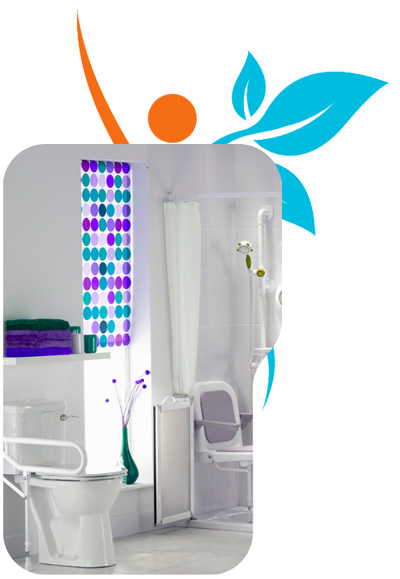
- Home modification design and construction
- Mobility equipment, and
- Vehicle modifications.
Make a Payment Request and then pay your provider:
Generate a Payment Request through the myplace portal once you receive an account, invoice, or timesheet from your provider, and then transfer the funds to your provider by initiating a payment from your designated bank account.
Pay your provider and then make a Payment Request:
After receiving your support, use your own funds to make a payment to your provider, obtain a receipt, and then submit a Payment Request, which will result in the reimbursement of the funds expended by you from your NDIS plan budget, and the subsequent crediting of the reimbursed amount into your designated bank account within 24 to 48 hours.